
He Left Makkah to Start Again. What Did He See That Others Might Miss?
Abdul Rahman ibn Awf's journey from Makkah to Madinah shows how faith can shape our purpose, our effort, and the good we do with success.
2 min read
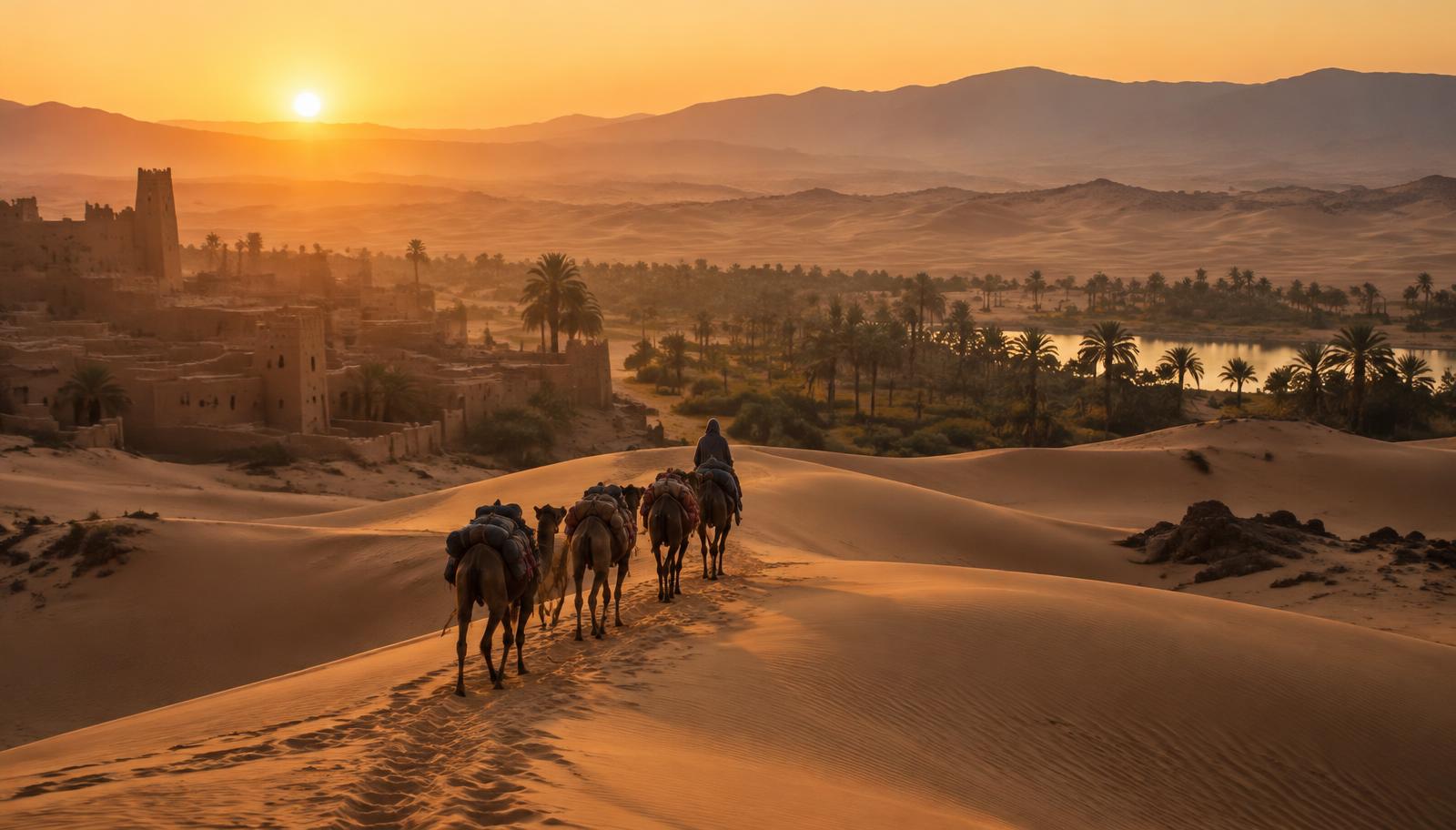
Imagine watching a successful merchant leave Makkah.
He has an established livelihood and connections. Now he is leaving for Madinah, where he will need to begin again.
To someone thinking only about financial security, it might seem like a poor decision.
But Abdul Rahman ibn Awf (RA) was migrating for his faith.
The Quran describes the early Muslims who migrated as people seeking Allah's bounty and pleasure (Surah Al-Hashr : 8).
He saw a purpose worth pursuing, even when it meant leaving behind a familiar life.
Show Me the Market
When Abdul Rahman arrived in Madinah, a wealthy companion, Sa'd ibn Ar-Rabi', offered to share half his wealth with him.
Abdul Rahman thanked him, prayed for Allah to bless him, and asked:
"Show me the market."
He began trading, earning dried yoghurt and butter. Before long, he had earned enough to get married.
This exchange is recorded in Sahih al-Bukhari 2049.
He trusted Allah, but he didn't sit back and wait. He sought opportunities and worked to build his livelihood.
Wealth Became a Tool to Do More Good
Over time, Abdul Rahman became extraordinarily wealthy.
A historical report records that he sold land for 40,000 gold dinars and distributed the proceeds to people in need, including the wives of Prophet Muhammad ﷺ.
He came to Madinah needing to rebuild his livelihood. Later, he had the means to make a remarkable difference in other people's lives.
The Quran teaches us to seek the Hereafter through what Allah has granted us, without forgetting our share of this world, and to do good to others (Surah Al-Qasas : 77).
Wealth can improve our lives, provide comfort for our families, and create opportunities to do even more good.
What Can We Learn About a Believer's Way of Life?
Allah says:
ٱلَّذِي خَلَقَ ٱلْمَوْتَ وَٱلْحَيَوٰةَ لِيَبْلُوَكُمْ أَيُّكُمْ أَحْسَنُ عَمَلًا
“He is the One Who created death and life in order to test which of you is best in deeds.”
Our lives are not measured by wealth alone, but also by how we live and what we do.
Abdul Rahman's story offers three valuable lessons:
Faith shaped what he pursued, how he worked, and what he did with the results.
You too can aim high, build wealth, improve your family's life, and achieve great things.
Whatever Allah grants you, strive to make the best of it, and use it to do more good.
Share this article
Published
Sources & references
- Surah Al-Hashr : 8 (migration and Allah's pleasure)
- Sahih al-Bukhari : 2049 (the offer, the market, trade and marriage)
- Surah Al-Qasas : 77 (using Allah's bounty for good)
- Surah Al-Mulk : 2 (best deeds); translation: The Clear Quran
- Historical report of the 40,000 dinar land sale (Musnad Ahmad 25032, graded hasan), scholarly discussion
- Jami' at-Tirmidhi : 3749 (support for the Prophet's wives)
Related discoveries

What the Quran Changes About the Way You Measure Success
People once wished they had Qarun's wealth. A day later, they were relieved they had not shared his fate. His story changes how we measure success.

Why Do We Keep Asking for the Straight Path?
If you already believe, why ask for guidance again? Discover what this familiar request in Surah Al-Fatihah means for the choices you make today.

You Don’t Have to Know How Everything Will Work Out
You’ve made the effort, but uncertainty still fills your mind. Discover how tawakkul can help you take the next step with trust in Allah.